✅ May 2026 Update: The Osaka Museum of Housing and Living remains largely unchanged compared to my visit in November 2023. To double-check: free entry is still available with the Osaka Amazing Pass (otherwise, the entrance fee is 600 yen). If you decide to purchase tickets directly from the official website in advance, please note that cancellations for personal reasons are not accepted.
However, many travelers also buy tickets through third-party platforms like Trip.com, where conditional cancellations/refunds are available. If you prefer to book in advance, I highly recommend checking the specific refund policies on those ticket sites before making your purchase.
The kimono experience is also still running at 1,000 yen (cash only). However, due to the current surge in tourist crowds, slots for the kimono rental may close early in the afternoon. If you want to try it, I highly recommend arriving early.
⚠️ Important Notice (Upcoming Closure):
• Closure Period: From Tuesday, September 1st, 2026 to Thursday, December 31st, 2026
• Reason for Closure: Renovation work including the replacement of escalators and elevators
• Note: The museum will operate as usual until Monday, August 31st, 2026. If you have travel plans for the latter half of this year, adjusting your itinerary is a must.
Why I Chose the Osaka Museum of Housing and Living
It was our last day in Osaka and we wanted something cultural but low-effort. The Osaka Museum of Housing and Living fit the bill — it’s nearby, affordable, and has a fun kimono experience you can book the same day. It also felt like a nice way to spend leftover yen.

What to Expect Inside the Osaka Museum of Housing and Living
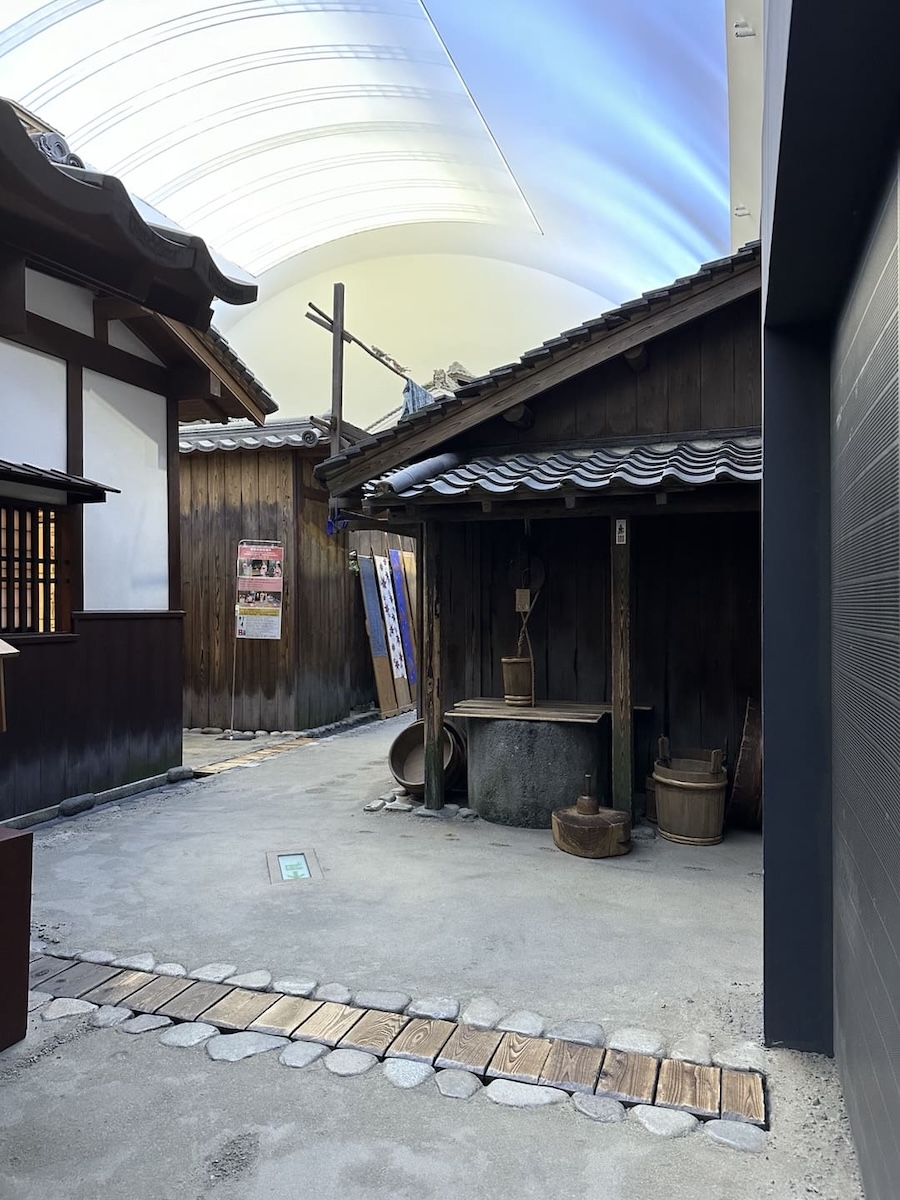
The museum recreates Osaka’s streets from different eras using life-size sets — walking the 9th-floor Edo street really feels like stepping back in time. The floors are arranged roughly like this:
- 8F – Modern history displays (Meiji–Showa), dioramas and a small shop.
- 9F – The recreated Edo-period street (main photo spot and where the kimono experience is located).
- 10F – Observation deck overlooking the recreated street.
There’s also a short 15-minute video (English subtitles) that explains the exhibits. Audio guides are available cheaply if you want extras.
Photo tips
- The 9F street has day → night lighting cycles; try to time your visit to capture the mood you want (soft daylight vs warm lantern light and blue light).
- Use the 10F observation deck for overhead shots of the street.
- If you rent a kimono, take advantage of the storefronts and the bath-theatre props — they make simple handheld phone photos look very atmospheric.
Kimono Rental Experience
The kimono rental is on the 9th floor and is one of the most popular activities.
- Each session is 30 minutes
- Reservation only on the day (no online booking)
- Payment is cash only
- Price: 1,000 yen
- Limited slots available
I was lucky and got a spot immediately, but many people had to wait. The kimono experience is simple, but the background of the Edo street makes the photos look very nice. If you want quick kimono photos without spending a long time in a studio, this is a good option.


Night view
Nearby Places to Visit
The location is convenient, so you can easily add more places to your plan:
- Tenjinbashi-suji Shopping Street (right next to the museum)
- Tennen Naniwanoyu Hot Spring (about 10 minutes away)
- Osaka Castle (around 20 minutes by train)
Useful Information
- Opening Hours: 10:00–17:00 (last entry 16:30)
- Closed: Tuesdays, and Dec 29 – Jan 3
- Entrance Fee: 600 yen (free with Osaka Amazing Pass)
- Kimono Experience: 1,000 yen (cash only)
- Address: Osaka Municipal Housing Information Center Building, 8F, Tenjinbashi 6-Chome, Kita Ward, Osaka
Timing & Crowds — what I suggest
Best time: Weekdays or early mornings soon after opening if you want the kimono slot with minimal waiting. Weekends and national holidays get busy — photo spots and the 9F street can feel crowded. Multiple sources and visitor reports recommend arriving early to secure a kimono slot.
Is It Worth Visiting?
If you have limited time in Osaka, the Osaka Museum of Housing and Living may not be a must-see. But if you like taking travel photos, learning a bit of local history, or trying a quick kimono experience, it is definitely worth visiting. The entire visit takes about one hour, so it’s easy to include in your trip without rushing.
*This review is based on my personal experience, and results may vary for others. Please take it as a friendly reference.
Leave a Reply